

November 21, 2026 · Coatings
Private Label Ceramic Coating: A Complete Guide for Car Care Brands
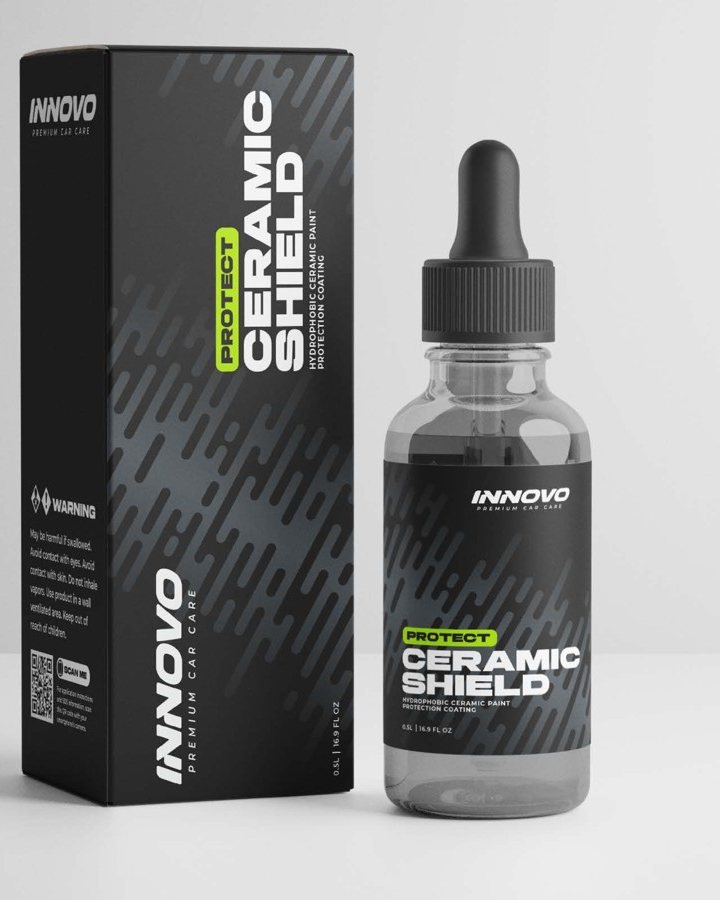
Ceramic coatings have moved from a professional-only service to one of the most searched categories in car care. Premium coatings raise average selling prices across the category, and they extend protection cycles from weeks to months or years. For a car care brand, a coating line is a statement of credibility. It's also the category where shortcuts show the fastest.
Key takeaways
- Decide early whether you're building a professional or a consumer coating.
- Application feel, gloss, water behavior and durability are what customers judge.
- Make durability claims you've tested yourself.
- Packaging must protect coatings from moisture and air.
- Build a system around the coating: prep, wash and maintenance products.
Professional vs. consumer coatings
Professional coatings are built for trained installers working in controlled conditions. They typically have tighter application windows and support longer durability claims, often tied to an installer warranty. Consumer coatings prioritize forgiving application: longer working time, easier leveling and less risk of high spots. Some brands offer both, with the professional line sold only to certified installers.
What separates a good coating from a great one
- Application feel: how it spreads, how long it stays workable, how easily it levels.
- Gloss and clarity: the finish customers see the moment it's wiped off.
- Water behavior: beading and sheeting are what customers notice and film.
- Slickness: the feel customers check with a fingertip.
- Durability: resistance to washing, weather, UV and contaminants over months.
- Consistency: every bottle behaving exactly like the approved sample.
Product types in a coating line
- Paint coatings in professional and consumer versions
- Wheel and caliper coatings built for heat and brake dust
- Glass coatings for water repellency and visibility
- Trim and plastic coatings that restore and protect
- Interior and fabric coatings
- Spray coatings and toppers for maintenance (see spray coatings)
Test like an installer, not a lab
Coatings must be judged on real paint, in real conditions: different temperatures and humidity, different paint systems, repeated washes over time. Durability claims should be backed by your own long-term testing, not borrowed numbers. Conservative claims that over-deliver build far more trust than bold ones that disappoint.
Packaging and shelf life
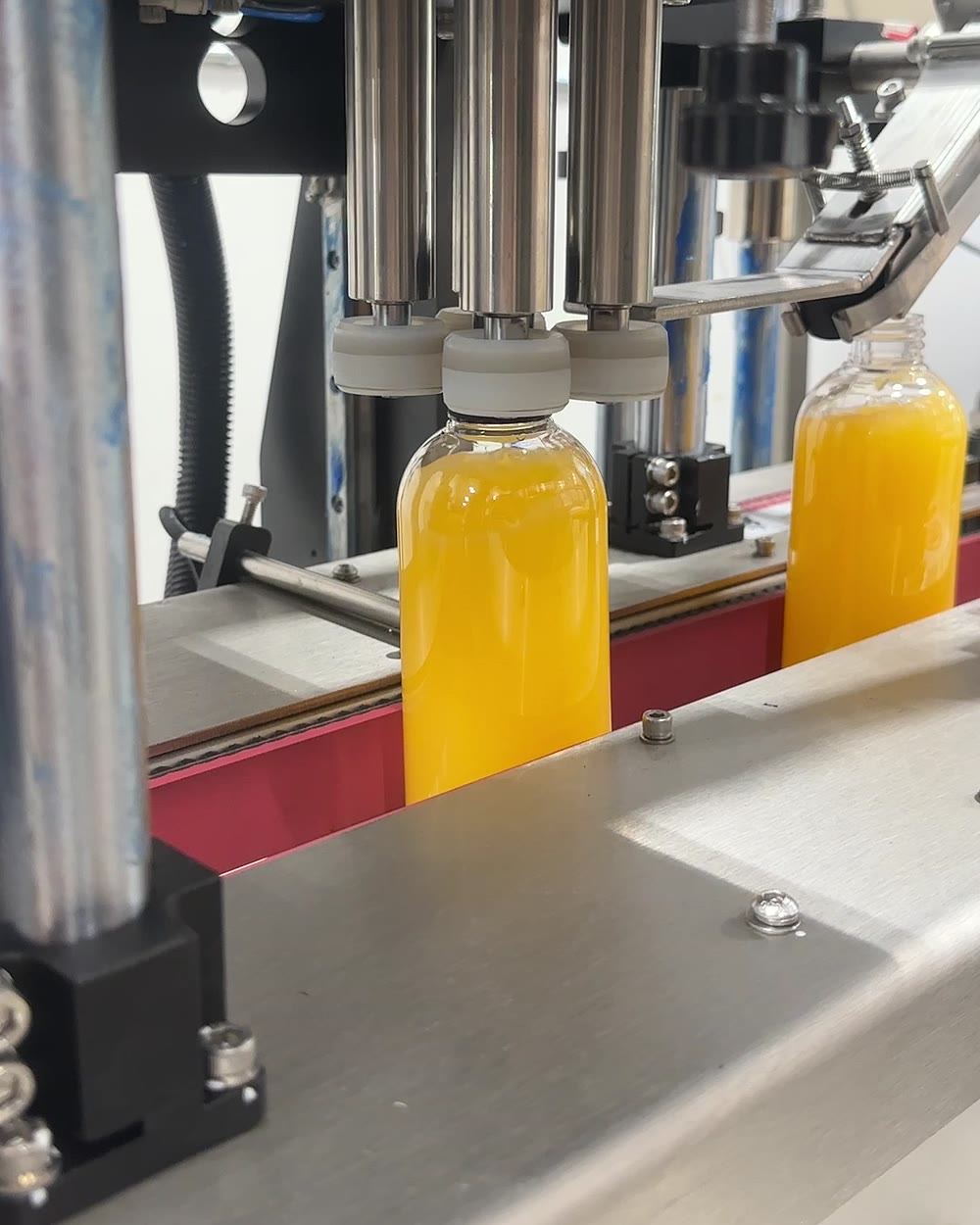
Coatings are sensitive to moisture and air, so the container, fill and sealing matter. Many coatings ship in small glass or specialty bottles with tight closures. Premium kits include applicators, suede cloths, gloves, prep wipe and printed instructions, and the unboxing is part of the value.
Build a system around the coating
A coating sells more when it's supported by the products around it:
- A panel prep or surface wipe before application
- A polish for correction before coating
- A coating-safe shampoo for maintenance washes
- A topper that boosts and extends protection
Graphene and next-generation coatings
Many brands now offer graphene-based coatings alongside traditional ceramic products. Read our graphene coatings guide to see how they compare and how to market them honestly.
Compliance notes
Many coatings are solvent-based and may be flammable, which affects labeling, storage and shipping. Some states regulate VOC content. Your manufacturer should provide accurate safety documentation and help you plan compliant packaging and shipping.
How private label works for your ceramic coating
- Brief: tell us who the product is for, how it will be used, and what it must do better than what's on the market now.
- Samples: we prepare bench samples based on proven chemistry, or develop a custom formula.
- Real-world testing: you test samples in the conditions your customers face, and we refine until you approve.
- Packaging: choose bottles, closures and sizes; we fill, cap and label your product.
- Production: your approved formula is blended, batch-checked and filled under one roof.
- Reorders: consistent batches and predictable lead times as your ceramic coating grows.
Questions to ask before you launch your ceramic coating
- Who is the customer, and what problem does this product solve better than competitors?
- What claims will you make, and how will you prove them?
- Which sizes and formats do your channels need, retail, professional or bulk?
- What labeling and compliance requirements apply where you'll sell?
- Which companion products complete the system and raise order value?
Frequently asked questions
How long should a coating last?
It depends on the product, prep, application and maintenance. Make claims based on your own testing in real conditions.
What does "9H" mean?
It refers to a pencil hardness test. It's widely used in marketing but doesn't on its own describe real-world durability, so focus on performance customers can see.
Can coatings be shipped to customers by mail?
Often yes, but some coatings have shipping restrictions because they're flammable. Your manufacturer can help classify your product.