

November 21, 2026 · Correction
Private Label Polishes and Compounds: What Car Care Brands Need to Know
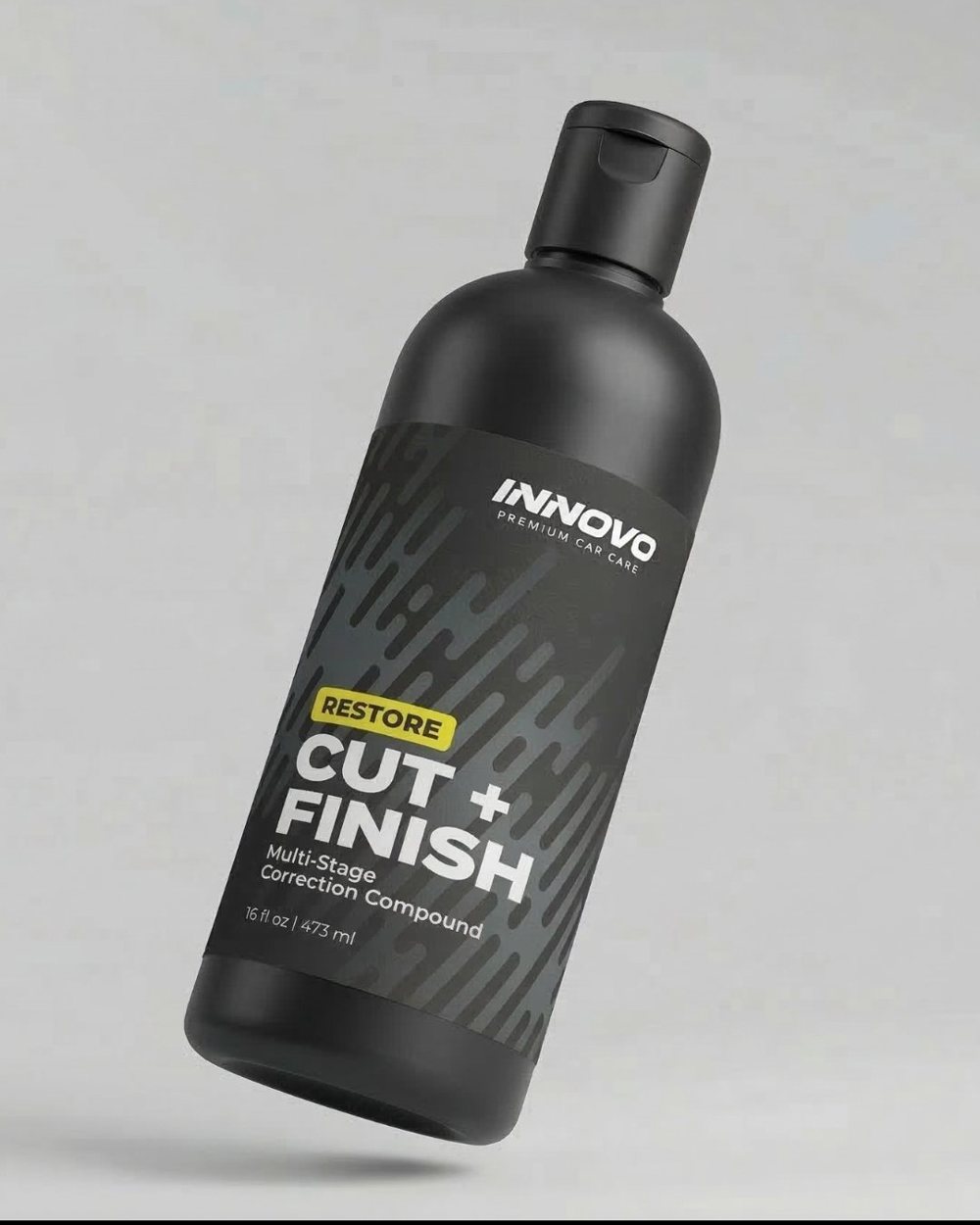
Paint correction is where detailing turns into craft, and polishes and compounds are the tools that make it possible. For a brand, a correction line signals credibility with serious enthusiasts and professionals. It's also a category where users are highly technical and very quick to judge, so performance has to be right.
Key takeaways
- Offer a clear ladder: compound, polish, finishing polish, and optionally a one-step.
- Detailers judge cut, finish, working time, dust and wipe-off.
- Test across machines, pads and paint hardness.
- Pair polishes with a panel prep for coating workflows.
The correction ladder
- Compounds remove heavier defects such as swirls, scratches, water spots and oxidation.
- Polishes refine the paint after compounding and remove lighter defects.
- Finishing polishes maximize gloss and clarity before protection.
- One-step products balance cut and finish for faster jobs on lighter defects.
What detailers judge a polish on
- How quickly it cuts and how well it finishes down
- Working time before it dries out
- Dust and ease of wipe-off
- Performance with rotary, dual-action and long-throw machines
- Consistency across paint systems, from soft to very hard clear coats
- Whether it hides defects with fillers or truly corrects them
Correct, don't hide
Professionals and serious enthusiasts want polishes that truly remove defects, not ones that temporarily fill them and let swirls reappear after a few washes. Products designed to leave a clean, bare surface are especially valued by coating installers.
Prep for coatings
With coatings everywhere, many detailers want polishes that wipe clean and leave the surface ready for protection. Pair your polishes with a panel prep product to create a complete correction-to-coating workflow. See our ceramic coating guide.
Test with the people who will use it
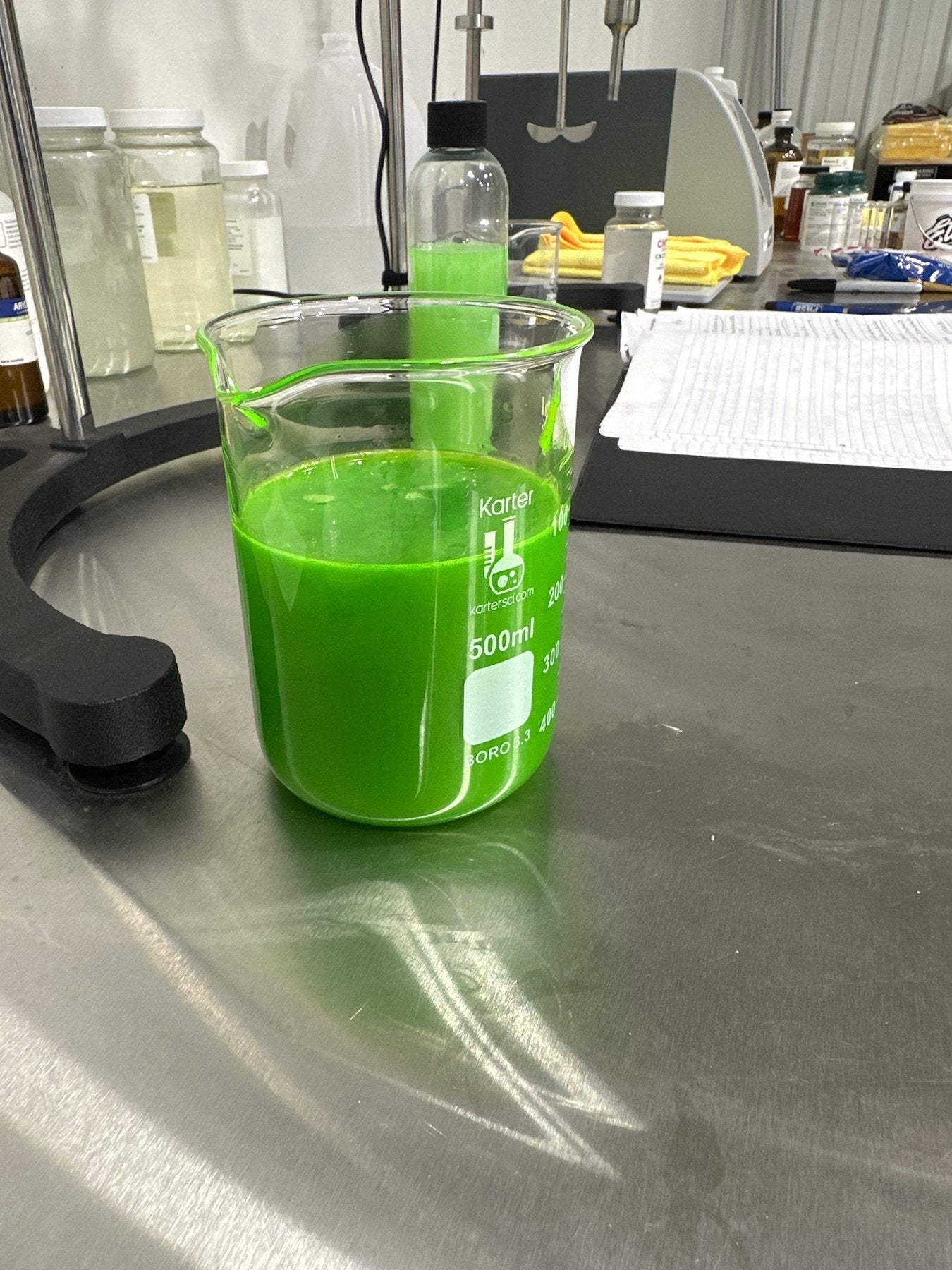
Polish formulation requires real machine time on real paint. Involve experienced detailers in testing, try different pads and machines, test soft and hard clear coats, and refine until the product behaves predictably every time.
Packaging
Polishes and compounds suit squeeze bottles with precise tips and flip caps, in retail and professional sizes. Color-coding the ladder makes the system easy to understand, and pairing each product with a matching pad simplifies choices for newer users.
How private label works for your correction line
- Brief: tell us who the product is for, how it will be used, and what it must do better than what's on the market now.
- Samples: we prepare bench samples based on proven chemistry, or develop a custom formula.
- Real-world testing: you test samples in the conditions your customers face, and we refine until you approve.
- Packaging: choose bottles, closures and sizes; we fill, cap and label your product.
- Production: your approved formula is blended, batch-checked and filled under one roof.
- Reorders: consistent batches and predictable lead times as your correction line grows.
Questions to ask before you launch your correction line
- Who is the customer, and what problem does this product solve better than competitors?
- What claims will you make, and how will you prove them?
- Which sizes and formats do your channels need, retail, professional or bulk?
- What labeling and compliance requirements apply where you'll sell?
- Which companion products complete the system and raise order value?
Frequently asked questions
Do I need separate compound and polish products?
Professionals often want both. Consumer lines sometimes lead with a one-step for simplicity.
What are fillers?
Fillers temporarily mask defects. Many detailers prefer products that correct rather than fill, especially before coating.
How should polishes be tested?
On real paint with different machines and pads, across soft and hard clear coats, by experienced detailers.