

November 21, 2026 · Interior
Private Label Interior Car Cleaner: Building an Interior Care Line
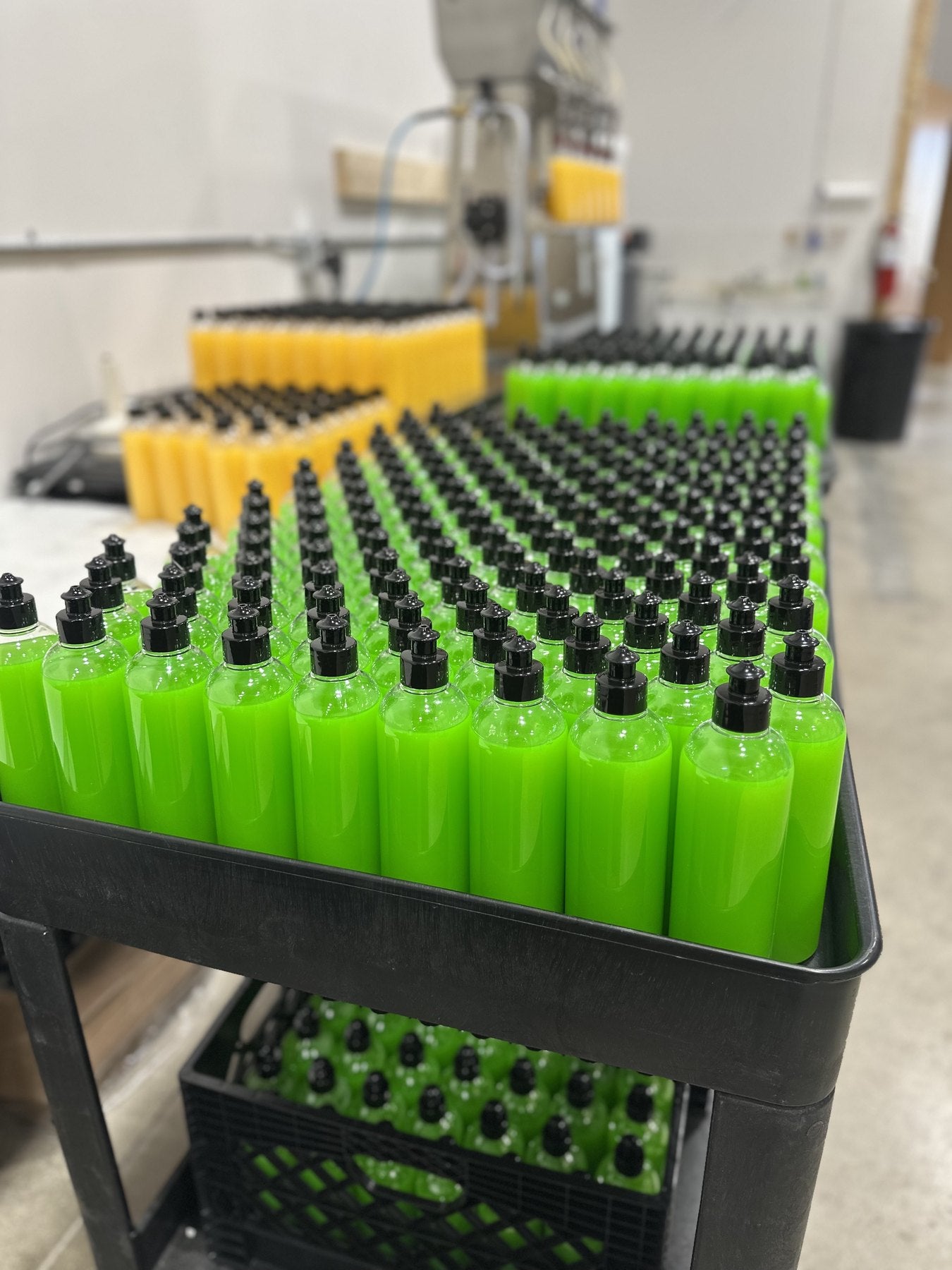
Interior care is one of the fastest-growing segments of the car care market, and one of the most repurchased. Customers spend far more time inside their cars than looking at the paint, and they notice how an interior looks, feels and smells every day. For a private label brand, interior products are steady sellers with loyal buyers.
Key takeaways
- An interior cleaner must lift dirt without residue, streaks or a greasy feel.
- Safety on screens, soft-touch trim and modern materials is essential.
- Matte, factory finishes are what most customers want from protectants.
- Scent is a powerful brand signature in interior products.
The all-purpose interior cleaner
The core product. It should lift dirt, body oils and spills from plastics, vinyl, rubber and fabric, and leave nothing behind: no residue, no streaks, no sticky or greasy feel. It must be gentle enough for screens, gloss-black trim and soft-touch surfaces, and its scent should be clean rather than overpowering.
Protectants and dressings
Interior protectants restore an even, dark finish to dashboards and trim and help guard against sun damage. Most customers now prefer a factory-matte finish over high gloss, and glossy dashboards cause windshield glare. Offer the finish your customers want and test for dust attraction and feel.
Fabric, carpet and upholstery
Fabric cleaners and spot removers handle the spills and stains that come with kids, pets and daily driving. Low-foam, low-residue products work best in extractors and by hand. Professionals appreciate concentrates for extraction machines.
Leather
Leather needs gentle cleaning and conditioning. See our dedicated guide to private label leather cleaner and conditioner.
Glass and screens
Streak-free interior glass is harder than it looks, especially with tint and in-car screens. See private label glass cleaner.
Fragrance as a brand signature
Scent is one of the most powerful ways to make your brand memorable. Many brands carry a signature fragrance across their range or offer it as an air freshener. A well-chosen scent becomes something customers associate with a freshly detailed car, and with you.
Ready-to-use and concentrates
Retail customers want ready-to-use sprays. Professional detailers often prefer concentrates they can dilute for different jobs, which lowers their cost per car. Offering both serves both markets.
How private label works for your interior line
- Brief: tell us who the product is for, how it will be used, and what it must do better than what's on the market now.
- Samples: we prepare bench samples based on proven chemistry, or develop a custom formula.
- Real-world testing: you test samples in the conditions your customers face, and we refine until you approve.
- Packaging: choose bottles, closures and sizes; we fill, cap and label your product.
- Production: your approved formula is blended, batch-checked and filled under one roof.
- Reorders: consistent batches and predictable lead times as your interior line grows.
Questions to ask before you launch your interior line
- Who is the customer, and what problem does this product solve better than competitors?
- What claims will you make, and how will you prove them?
- Which sizes and formats do your channels need, retail, professional or bulk?
- What labeling and compliance requirements apply where you'll sell?
- Which companion products complete the system and raise order value?
Frequently asked questions
Is an interior cleaner safe on touch screens?
Some are, but screens and coated surfaces need gentle formulas. Test and label compatibility clearly.
Why do interior protectants attract dust?
Some greasy or glossy formulas leave a tacky film. Matte, dry-to-the-touch formulas avoid this.
Should my interior line have one scent or several?
Many brands use one signature scent across the line and offer fragrance variety in air fresheners.