

November 21, 2026 · Private label
How to Start a Private Label Car Care Brand: A Step-by-Step Guide
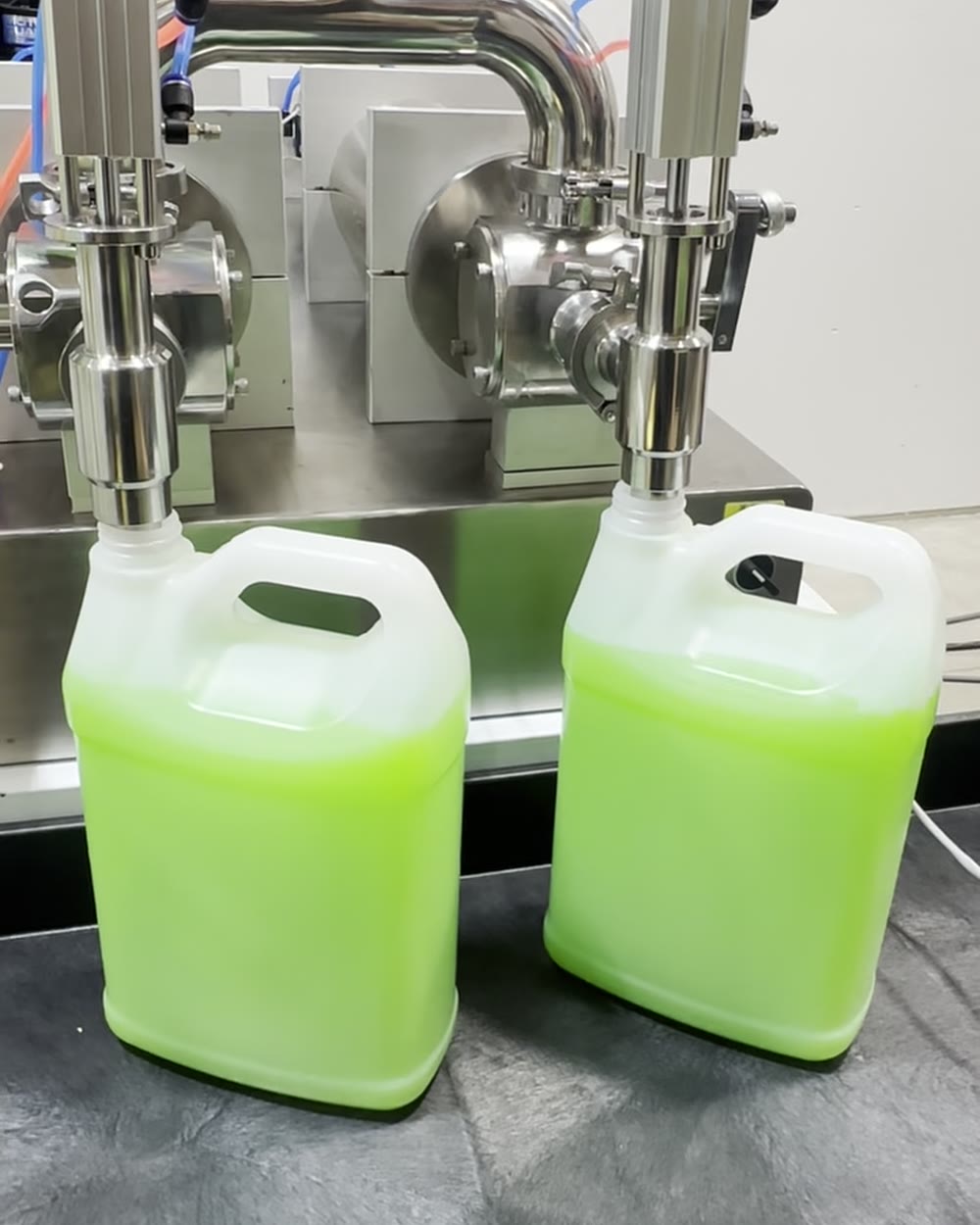
Car care is one of the few consumer categories where a small, focused brand can compete with household names. Enthusiasts care about results, they talk openly about what works, and they stay loyal to products that perform. The car care products market is worth well over ten billion dollars globally and is still growing, with the fastest gains in online sales and do-it-yourself buyers. That's why detailers, content creators and entrepreneurs are building their own lines, and why private label manufacturing has become the fastest route to market.
This guide walks through every step, from defining your customer to reordering your best seller, so you can launch with confidence.
Key takeaways
- Private label lets you launch a branded car care line without building a lab, buying equipment or hiring chemists.
- Start with a focused range of three to six hero products, not twenty.
- Test every sample on real vehicles before you approve it.
- Plan packaging, labeling and compliance from day one, not after your formulas are locked.
- Choose a manufacturer that can grow with you, ideally with formulation, blending and filling under one roof.
What private label means in car care
With private label, a manufacturer produces a finished product that's sold under your brand. You own the name, the packaging, the marketing and the customer relationship. The manufacturer handles the chemistry, blending, filling and often the labeling. The result is a product your customers see as yours, made by specialists behind the scenes.
Private label sits alongside two related services. Custom formulation develops a new formula built around your exact specification. Toll blending produces a formula you already own. Many brands use all three over time. (See our comparison of private label vs. custom formulation and our guide to toll blending.)
Step 1: Define exactly who you're building for
The strongest car care brands start with a clear customer, not a product list. Each audience expects different things:
- Weekend enthusiasts want visible results, great scent and products that are fun to use and film.
- Professional detailers care about dilution ratios, cost per car, speed and consistency.
- Coating and film installers need aftercare products that protect their work.
- Fleet and dealership buyers want efficiency and bulk sizes.
Write a one-paragraph description of your ideal customer: what they drive, how they wash, where they buy and what frustrates them about the products they use now. Every decision that follows gets easier.
Step 2: Start with a focused hero range
Resist the urge to launch twenty products. Most successful lines start with three to six hero products that cover a complete wash and protect routine, then expand once they know what sells. A typical starter range looks like this:
- A pH-neutral, coating-safe shampoo
- A wheel cleaner that's safe on all finishes
- A spray sealant or detail spray
- An interior cleaner
- A tire dressing
- A signature product that sets you apart, such as a coating or a specialty wash
A tight range is easier to explain, cheaper to stock and easier to perfect. It also makes bundles simple, and bundles raise average order value from day one.
Step 3: Choose between ready formulas and custom chemistry
Private label partners usually offer proven base formulas you can brand quickly, plus custom formulation when you want something nobody else can sell. Ready formulas get you to market faster with less risk. Custom work gives you exclusivity and a stronger story. Many brands launch on proven formulas, build revenue and an audience, then invest in one or two signature products developed from scratch.
Even with ready formulas, you can usually adjust scent, color and some performance characteristics so the product feels like yours.
Step 4: Sample, test and test again
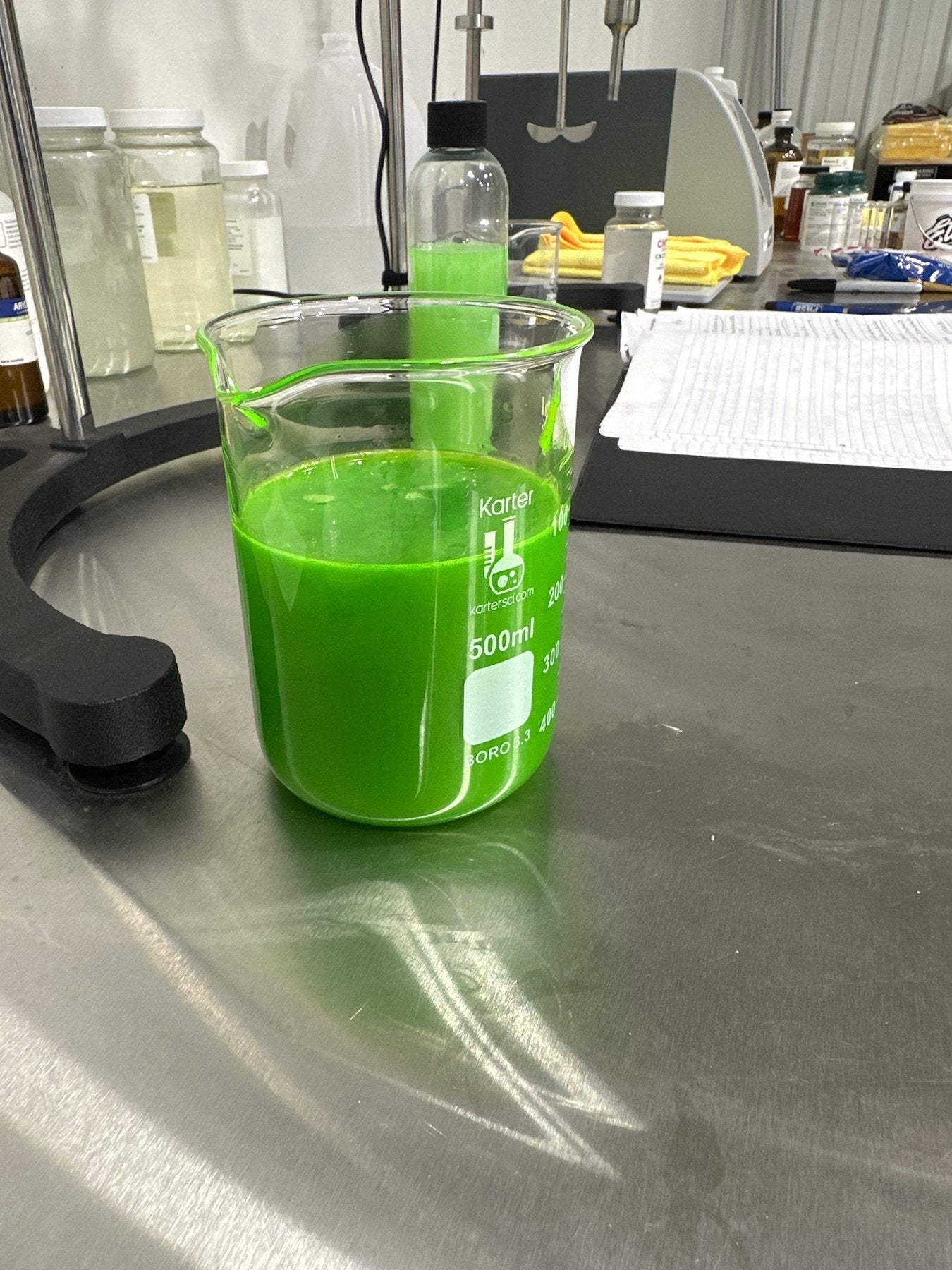
Never approve a product from a spec sheet. Use samples the way your customers will: on real paint, real wheels and real interiors, in hot sun and cold mornings, with soft and hard water. Keep notes on foam, dwell time, cleaning power, rinse, slickness, gloss, scent and residue. Share samples with a few trusted customers or detailers and collect honest feedback.
A good manufacturer will refine the formula with you through several rounds until it's right. That process is where good products become great ones.
Step 5: Design packaging and labels that sell
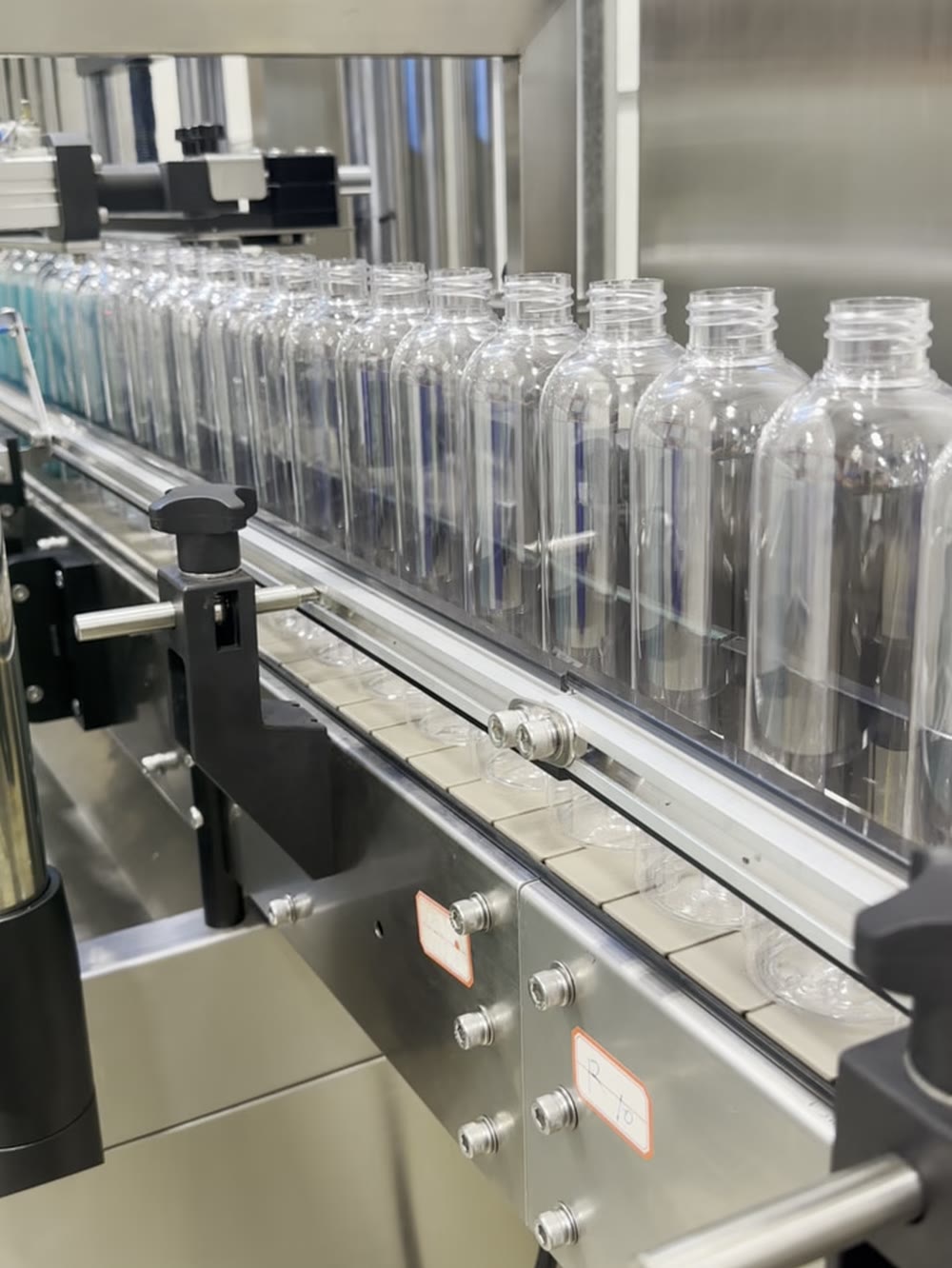
Packaging shapes how customers perceive your product before they ever use it. Bottle shape, trigger quality, label material and print finish all signal quality. Choose chemical-resistant labels that survive the garage, and triggers that spray consistently. A cheap trigger that clogs will be blamed on your formula.
Your label also has jobs to do: clear directions, dilution guidance for concentrates, and the required safety and cautionary information. Our packaging and labeling guide covers this in detail.
Step 6: Handle compliance and documentation
Car care chemicals come with responsibilities. Expect to need:
- Safety data sheets that communicate hazards accurately
- Cautionary labeling where a product is hazardous
- VOC compliance in states that regulate volatile organic compounds in consumer products
- Transport rules for shipping certain products
An experienced manufacturer will guide you through what applies to your products and where you plan to sell them. When in doubt, consult a compliance professional.
Step 7: Price for profit and plan your channels
Price from value, not from cost. Enthusiasts will pay for products that perform and for a brand they trust. Decide where you'll sell (your own website, marketplaces, your detailing shop, wholesale to other detailers) and make sure your pricing leaves margin for each channel. Bundles, kits and refill sizes increase order value and repeat purchases.
Step 8: Launch, then plan your reorders
Launch is the first run, not the finish line. Think about lead times, reorder points and how you'll respond if a product takes off. A manufacturer with in-house blending and filling can move faster when demand jumps, because no step is waiting on a third party.
Common mistakes to avoid
- Launching too many products before you know what sells
- Approving formulas without real-world testing
- Choosing packaging on price alone
- Making performance claims you haven't verified yourself
- Working with a manufacturer that can't scale with you
Frequently asked questions
How long does it take to launch a private label car care line?
Timelines vary with the number of products, how much customization you want, and packaging lead times. Launching on proven formulas is significantly faster than developing custom chemistry from scratch.
Do I need my own chemist?
No. That's the advantage of private label: your manufacturer provides the chemistry expertise. You bring the brand, the customer insight and the feedback from testing.
Can I change the scent or color of a private label product?
Usually, yes. Scent, color and some performance characteristics can often be adjusted so your product feels unique.
Who owns the formula?
With proven private label formulas, the manufacturer typically owns the base chemistry. With custom formulation, ownership should be agreed in writing. See our guide to protecting your car care formula.
The bottom line
A private label car care brand is built on two things: chemistry that performs, and a brand people trust. Keep your range focused, test everything in the real world, and choose a manufacturing partner who treats your formula as if their own name were on the bottle.