

November 21, 2026 · Discretion
Protecting Your Car Care Formula: NDAs, Ownership and Discretion
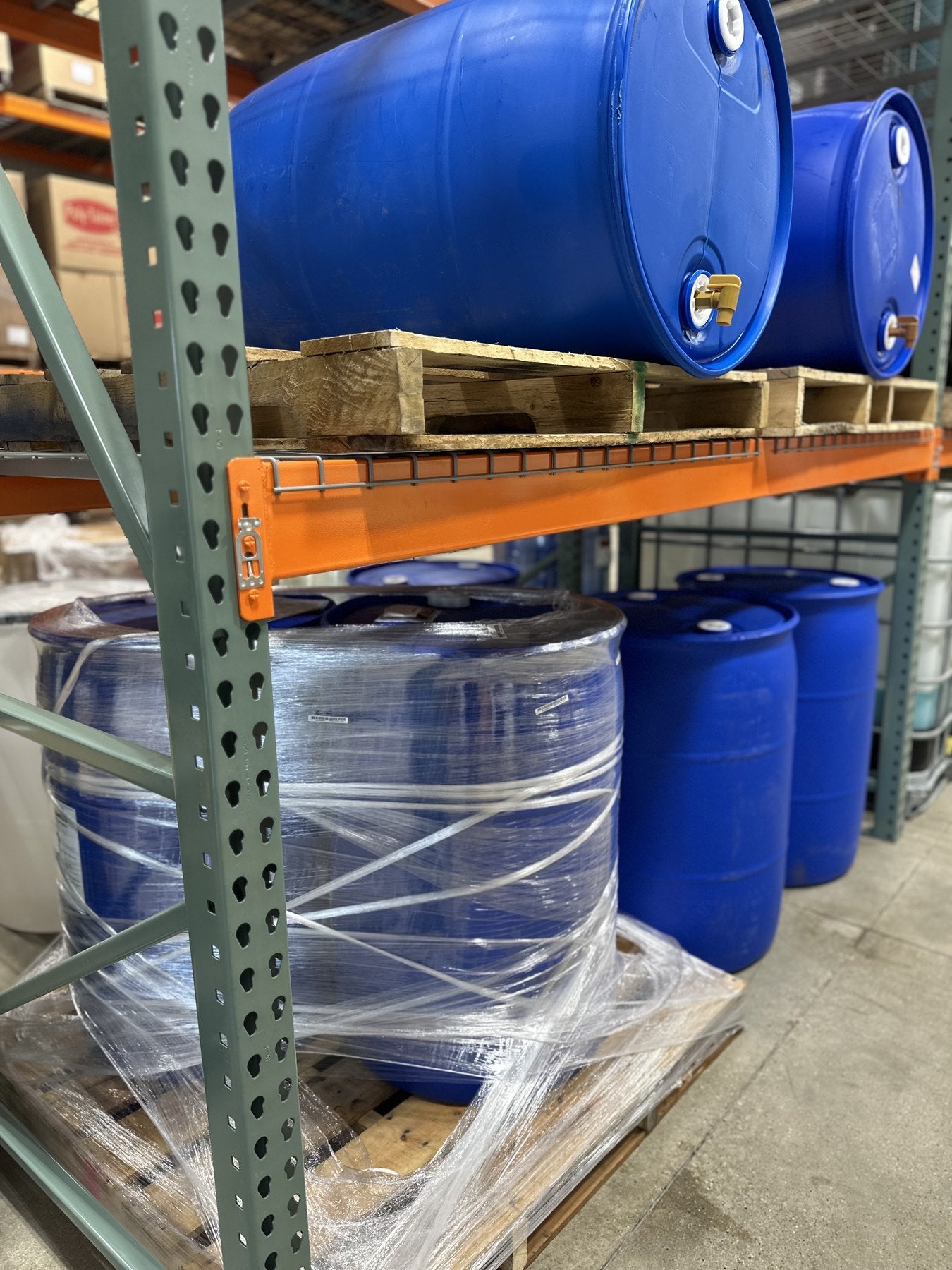
For many car care brands, the formula is the business. It's what makes the product perform, what customers come back for, and what competitors would love to copy. When you bring in a manufacturing partner, protecting that formula should be part of the conversation from the first email, not an afterthought once samples are flowing.
Key takeaways
- Sign a mutual NDA before sharing formulas, specifications or product plans.
- Agree in writing who owns a formula, especially when it's custom-developed.
- Ask how client formulas are handled and who can access them.
- Safety data sheets communicate hazards without publishing your recipe.
- Decide whether your manufacturer stays silent or is a named partner.
Start with a non-disclosure agreement
Before sharing formulas, specifications, sales data or launch plans, sign a mutual NDA. It sets expectations about what's confidential, how it can be used, and for how long. A reputable manufacturer will treat this as routine, and will often have a standard agreement ready.
Be clear on formula ownership
Ownership depends on how the formula was created and what you agree to:
- Your own formula (toll blending): it should remain yours, full stop.
- Custom formula developed for you: agree in writing who owns it, whether it's exclusive to you, and what happens if you change manufacturers.
- Proven private label formula: the base chemistry typically belongs to the manufacturer; your brand, name and packaging are yours.
Don't assume. Put it in writing before development starts.
Ask how formulas are handled internally
Good manufacturers limit who can see client formulas, store records securely, and never quietly reuse a client's work for someone else. It's fair to ask how they manage this, who has access, and what happens to your documentation if the relationship ends.
Safety documents without giving away the recipe
Safety data sheets are required for many chemical products, but they're designed to communicate hazards and safe handling, not to publish your recipe. Hazard information has to be accurate, while the exact formula can usually stay protected. Work with a manufacturer that understands how to do both.
Silent manufacturer or named partner?
Some brands want their manufacturer to be invisible: no mention on the label, the website, social media or anywhere else. Others like to highlight a respected manufacturing partner as a mark of quality. Either is valid, and the choice should be yours. It can also change as your brand grows.
Protect the brand, not just the formula
Your name, logo, product names and packaging design are assets too. Consider trademarks for your brand and key product names, and keep artwork files and specifications in your own records.
Trust is built over time
Contracts matter, but so does the character of the people you work with. Look for a partner who has built brands themselves and understands what it means to stake a reputation on someone else's chemistry.
Frequently asked questions
Will a manufacturer sign my NDA?
Reputable manufacturers will sign a reasonable mutual NDA. Many also offer their own standard agreement.
Can I take my formula to another manufacturer?
If you own it, yes. That's why ownership terms should be agreed in writing at the start.
Does an SDS reveal my formula?
An SDS communicates hazards and safe handling. It doesn't need to publish your full recipe.