

November 21, 2026 · Manufacturing
How to Choose a Car Care Contract Manufacturer: 10 Questions to Ask

For a car care brand, your manufacturer is the most important partner you'll ever choose. They decide whether your product performs the same on the hundredth run as it did on the first, whether your launch hits its date, and whether your formula stays yours. Switching manufacturers later is expensive and risky, so it pays to ask the right questions up front.
Key takeaways
- Choose a specialist in automotive chemistry, not a general blender.
- Look for formulation, blending, filling and labeling under one roof.
- Insist on batch testing and real-world vehicle testing.
- Get formula ownership and confidentiality in writing.
- Make sure they can scale with you when a product takes off.
1. Do you specialize in automotive chemistry?
General chemical blenders can make a soap. A car care specialist understands how a shampoo interacts with a coating, why a wheel cleaner must be safe on painted and coated finishes, how a tire dressing should behave at highway speed, and what detailers expect from a quick detailer. Car care is its own discipline, with its own customers and its own failure modes.
2. Is everything done under one roof?
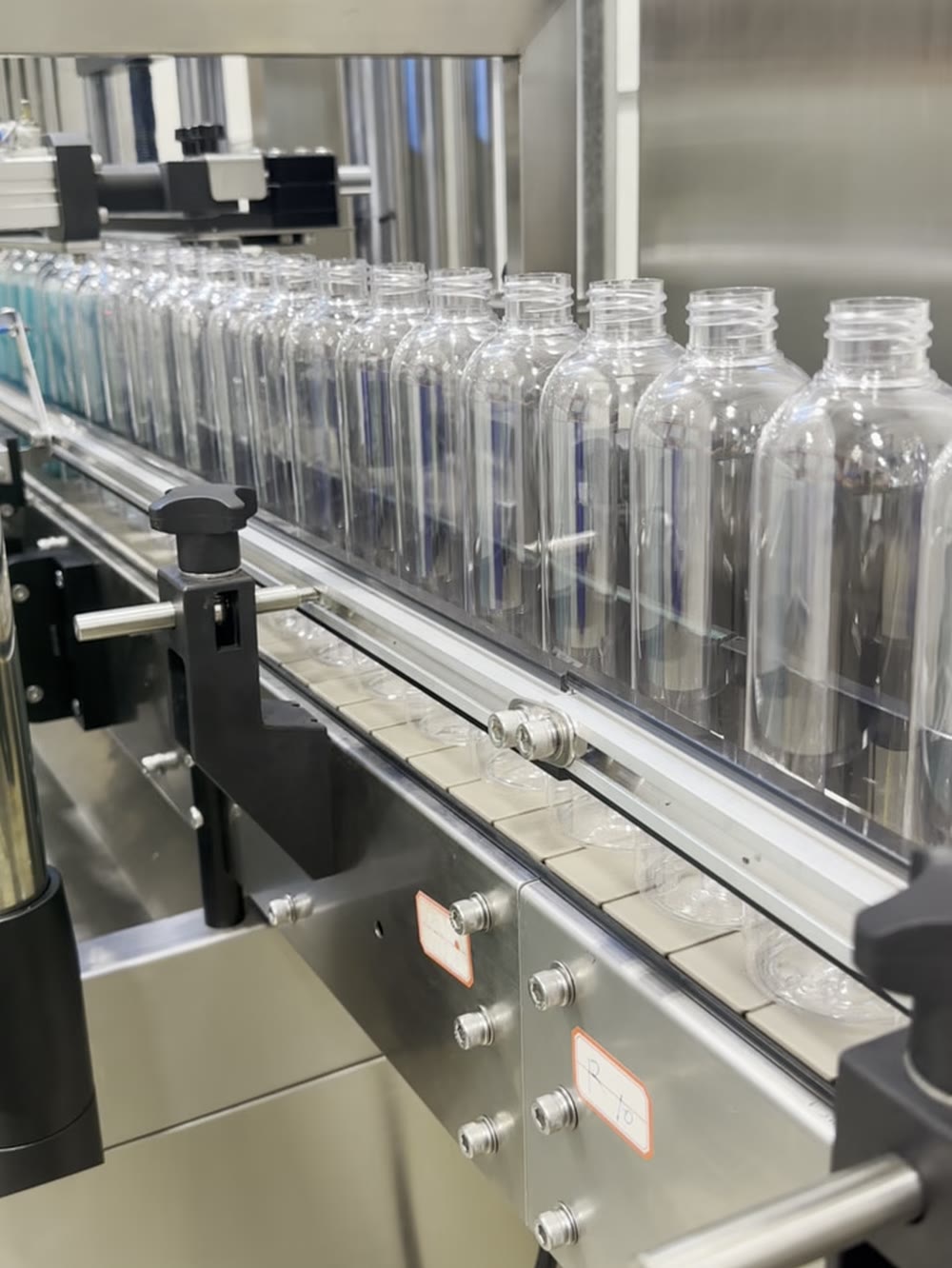
Ask where formulation, blending, filling, capping and labeling actually happen. Every hand-off to another facility adds time, cost and risk, and makes accountability harder when something goes wrong. A single facility gives you one point of contact and one standard from the lab to the pallet.
3. How do you test products before they ship?
Look for two kinds of testing. Batch checks confirm every production batch matches its specification before release. Real-world testing confirms products perform on actual vehicles, not just in a beaker. Products that look perfect in the lab can behave differently on a hot panel or in hard water.
4. Who owns the formula?
If you're paying for custom development, get clear written terms on ownership. If you bring your own formula, confirm it remains yours. Ask directly whether your formula could ever be offered to another brand.
5. Will you sign an NDA, and can you stay anonymous?
A serious manufacturer treats confidentiality as standard. Many brands prefer that their manufacturer never appears on labels, websites or social media. Make sure that's respected, and that it's your decision.
6. Can you match or improve a product I already sell?
If you're switching suppliers, continuity matters. Ask how they approach matching an existing product, how they'll prove the match, and whether they can improve the things your customers complain about. See our guide to reverse engineering car care products.
7. What packaging and labeling support do you offer?
Bottles, triggers, caps, labels and cases affect your margins, your shelf presence and your customer experience. A partner who can source packaging and fill it in-house simplifies your supply chain and makes reorders predictable.
8. Do you provide safety and compliance documentation?
You'll need safety data sheets and accurate hazard information, and you may need to meet state VOC limits depending on where you sell. Ask how documentation is created, reviewed and kept current.
9. How do you handle growth?
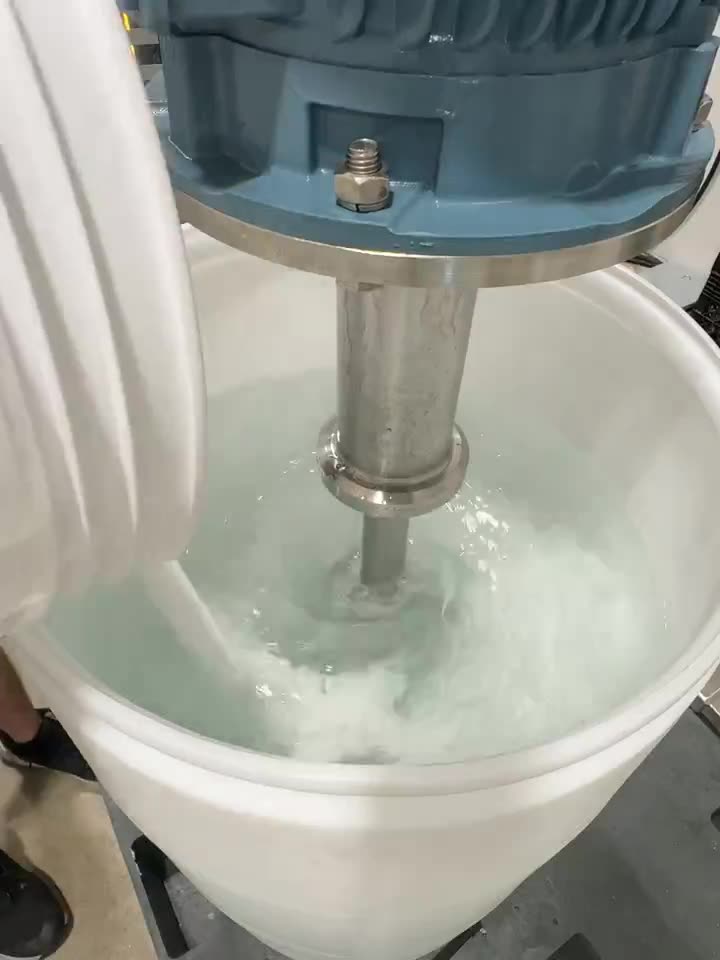
Ask what happens when a product takes off. Industrial mixing capacity and automated filling mean a manufacturer can scale with you instead of becoming the bottleneck. Ask about lead times for reorders, not just first orders.
10. Who will I actually talk to?
The best partnerships give you direct access to the people who make your product. When a question comes up about foam, scent or a customer complaint, you want an answer from someone who knows, not a ticket number.
Red flags to watch for
- Vague answers about where products are made
- No interest in real-world testing
- Reluctance to sign an NDA or clarify formula ownership
- One-size-fits-all formulas with no room for adjustment
- Long silences between messages
Visit if you can
Nothing replaces seeing the lab, the blending floor and the filling line in person. The way a facility is run tells you how your product will be made.
Frequently asked questions
What's the difference between a contract manufacturer and a private label manufacturer?
The terms overlap. A contract manufacturer produces products on behalf of another company. Private label usually refers specifically to finished products sold under the buyer's brand. Many manufacturers offer both.
Should I use multiple manufacturers?
Most growing brands are better served by one strong partner that can handle formulation, blending and filling, which keeps quality and communication consistent.
Can a manufacturer help with packaging design?
Many can help source bottles, triggers and labels and advise on compliance. Brand design itself is usually handled by the brand or its designer.