

November 21, 2026 · Presentation
Car Care Packaging and Labeling: A Guide for New Brands
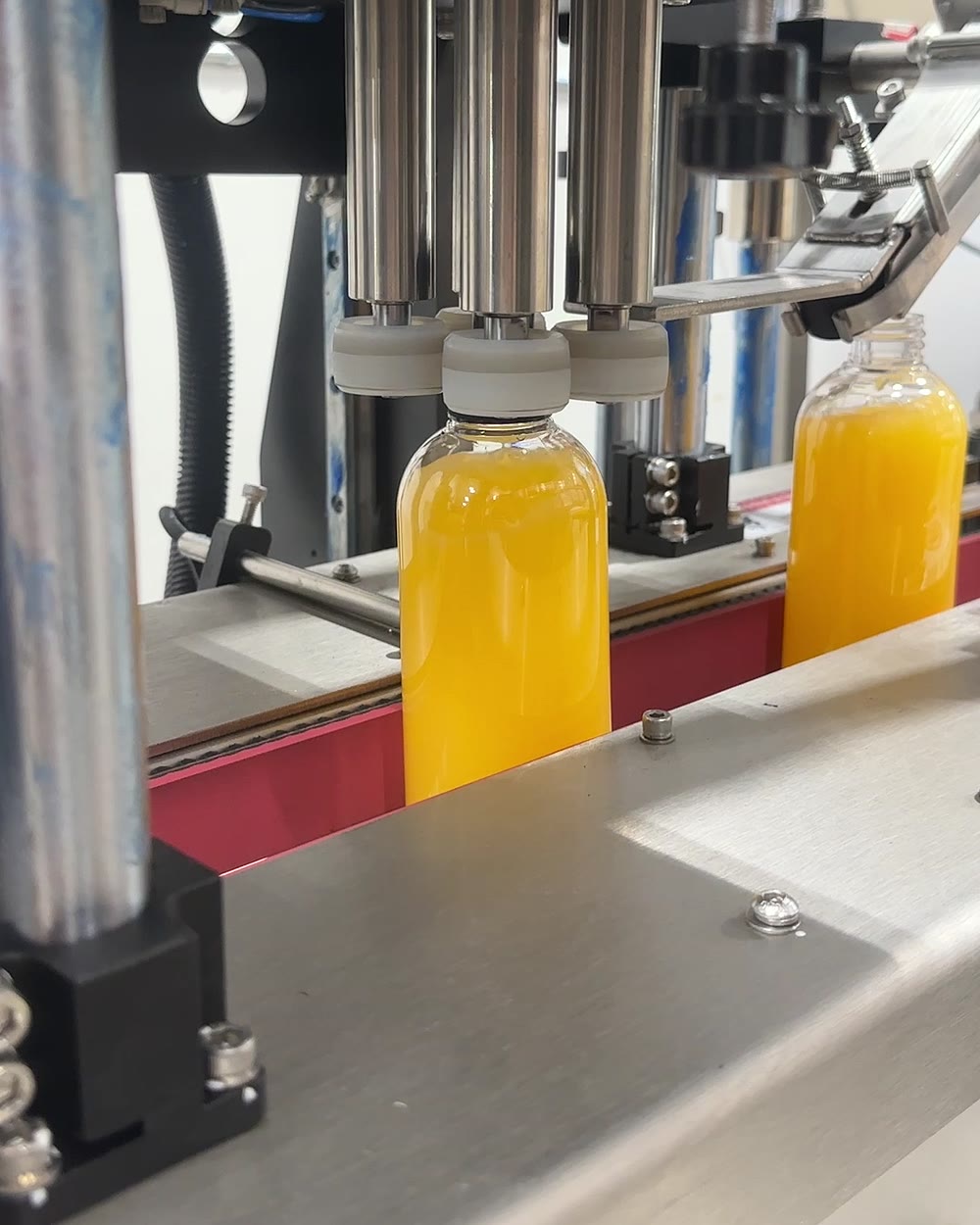
In car care, packaging does a lot of work. It's the first impression on a shelf or in a product photo, it determines how the product is used, and it carries the safety information customers need. Packaging that fails, like a trigger that clogs, a label that peels or a bottle that softens, gets blamed on the product inside. Getting it right is as important as the formula.
Key takeaways
- Choose bottles that are compatible with your chemistry.
- Invest in quality, chemical-resistant triggers; they shape how customers judge your product.
- Use water- and chemical-resistant label materials.
- Include clear directions, dilution guidance and the required safety information.
- Standardize components across your range to simplify reorders.
Choosing the right bottle
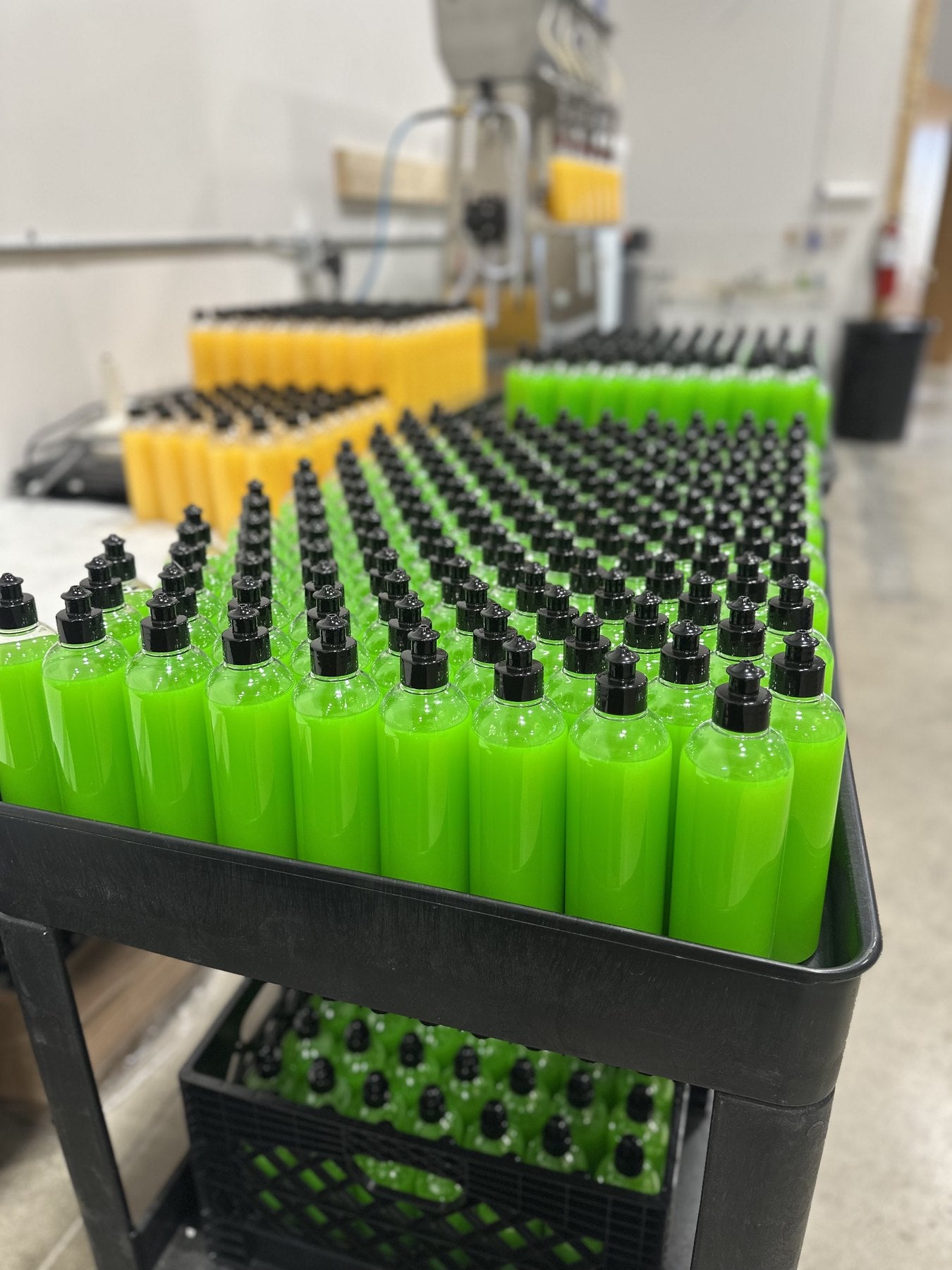
Bottles must be compatible with what's inside them. Some chemistry needs specific plastics to avoid softening, swelling, paneling or leaking over time. Think about the sizes your channels need: smaller bottles for retail and online, gallons and larger for professional detailers who refill. Bottle shape affects grip, shelf presence and how your range looks together.
Sprayers and closures matter more than you think
A cheap trigger that clogs, leaks or sprays unevenly will be blamed on your product. Choose chemical-resistant triggers rated for your formula, and match the spray pattern to the job:
- Fine mist for detail sprays and spray sealants
- Stream or adjustable for wheel and all-purpose cleaners
- Foaming triggers for cleaners that need to cling
- Flip caps and pumps for thicker products like polishes and gels
Labels that survive the garage
Car care labels get wet, get sprayed and get handled with dirty gloves. Use label materials, inks and adhesives designed to resist water and chemicals, and test them with your actual product, since some formulas attack certain label stocks. Your branding should still look right halfway through the bottle.
What your label needs to include
Requirements vary by product and where you sell, but car care labels typically include:
- Product name and what it's for
- Clear directions for use, including dilution for concentrates
- Required cautionary or hazard statements, first aid and storage instructions
- Net contents
- Your company name and location
- A barcode if you sell through retail or marketplaces
Hazardous household products may require specific cautionary labeling, and some states regulate the volatile organic compound content of consumer products. Your manufacturer and the product's safety data sheet are the starting point; when in doubt, consult a compliance professional.
Design for the photo and the shelf
Most car care is discovered online first. Make sure your label reads clearly in a thumbnail, product names are easy to tell apart, and the range looks like a family. Consistent typography, color coding by category and a clear hierarchy (brand, product, benefit) help customers find what they need.
Kits and bundles
Kits raise average order value and make great gifts. Plan box sizes, inserts and accessories (applicators, towels, brushes) early so your bottles fit neatly. A well-designed kit can become your best seller.
Keep it simple to reorder
Standardizing bottles, triggers and caps across your range simplifies purchasing, lowers cost and speeds up production. A manufacturer that sources packaging and fills in-house can keep your whole supply chain under one roof.
Frequently asked questions
Do I need a barcode?
If you plan to sell through retailers or major marketplaces, yes. Barcodes are typically licensed through GS1.
Can my manufacturer source bottles and labels?
Many manufacturers source bottles, triggers and closures and can apply your labels during filling.
What sizes should I start with?
Most brands start with a retail size for each product and add gallon refills for best sellers and professional customers.