

November 21, 2026 · Decontamination
Private Label Car Care Products: Iron Remover and Fallout Cleaner
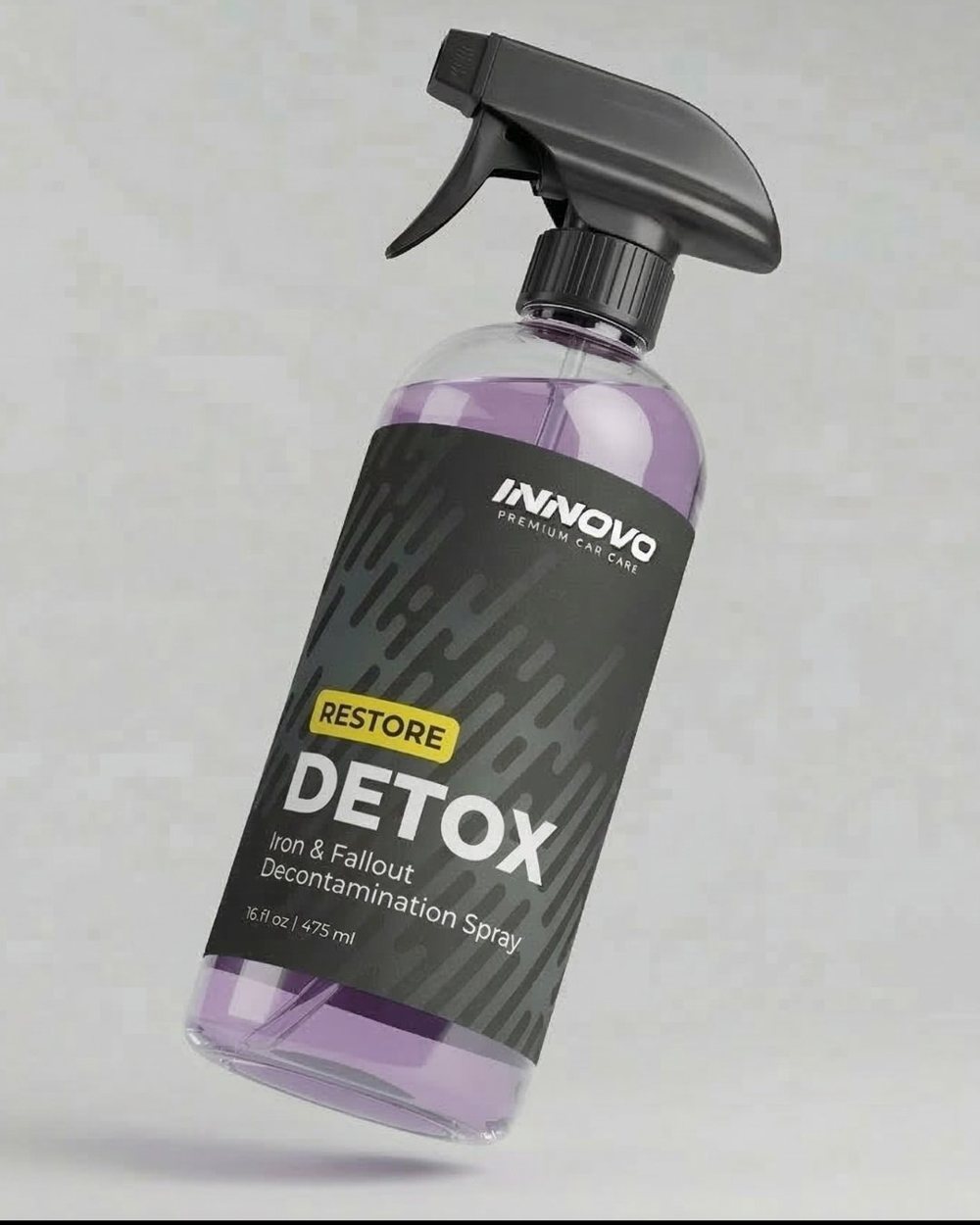
Iron removers are some of the most visually striking products in car care. Spray them on, wait, and watch the product "bleed" as it reacts with embedded iron particles. That visible reaction makes them hugely popular with enthusiasts and on social media, and a valuable addition to any range.
Key takeaways
- Iron removers dissolve embedded iron particles from brake dust and rail dust.
- The color-change reaction is part of the product's appeal.
- Scent is the most common complaint, so it's worth addressing.
- Position iron removal as a periodic decontamination step, not an every-wash product.
What iron removers do
Brake dust and rail dust contain tiny iron particles that embed in paint and wheels. Over time they cause rough texture and orange specks. Iron removers dissolve those particles chemically, so they rinse away without aggressive scrubbing, and they change color as they react, giving customers visible proof the product is working.
Where iron removal fits
Iron removal is part of decontamination, typically done before polishing, coating or at the start of a seasonal deep clean. It's often paired with a clay bar or clay mitt to remove bonded contaminants the chemical can't. Positioning matters: customers should understand it's a periodic step, not an every-wash product.
Product formats
- Paint-safe iron remover: a gentler formula for full-body decontamination.
- Wheel-focused fallout cleaner: stronger reaction for heavy brake dust.
- Gel formulas: cling to vertical surfaces for longer dwell.
- Iron-reactive shampoos: decontamination built into the wash.
The scent problem
Many iron removers have a strong, unpleasant odor. Reducing or masking it is a genuine point of difference customers notice and mention in reviews.
Safety and labeling
Iron removers need clear instructions: work in shade, don't let the product dry, rinse thoroughly, and follow finish-specific guidance. Accurate safety documentation and hazard communication are essential.
Build a decontamination kit
Pair iron remover with a clay mitt or clay bar, a clay lubricant and a decontamination shampoo. A complete decon kit is a natural upsell before polishing or coating.
How private label works for your iron remover
- Brief: tell us who the product is for, how it will be used, and what it must do better than what's on the market now.
- Samples: we prepare bench samples based on proven chemistry, or develop a custom formula.
- Real-world testing: you test samples in the conditions your customers face, and we refine until you approve.
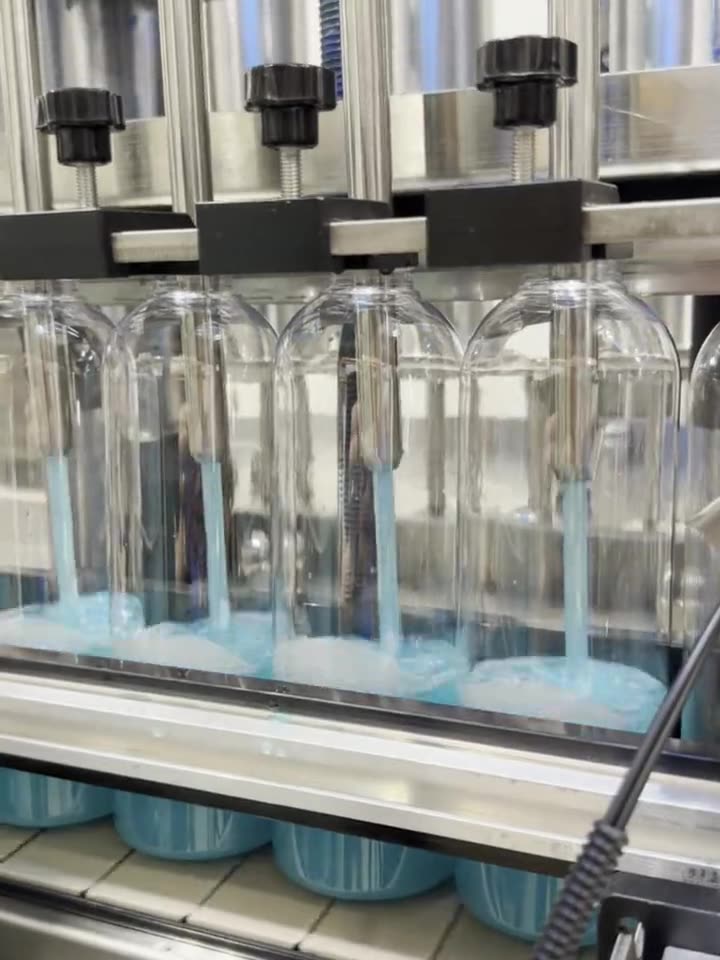
- Packaging: choose bottles, closures and sizes; we fill, cap and label your product.
- Production: your approved formula is blended, batch-checked and filled under one roof.
- Reorders: consistent batches and predictable lead times as your iron remover grows.
Questions to ask before you launch your iron remover
- Who is the customer, and what problem does this product solve better than competitors?
- What claims will you make, and how will you prove them?
- Which sizes and formats do your channels need, retail, professional or bulk?
- What labeling and compliance requirements apply where you'll sell?
- Which companion products complete the system and raise order value?
Frequently asked questions
Why does iron remover turn purple?
The color change is a reaction with iron particles, confirming the product is working.
How often should iron remover be used?
Typically periodically, such as seasonally or before polishing and coating, rather than every wash.
Is iron remover safe on coatings?
Many are designed to be coating-safe. Test and label compatibility clearly.