

November 21, 2026 · Wheels & tires
Private Label Wheel Cleaner: How to Build a Wheel Cleaner That Sells
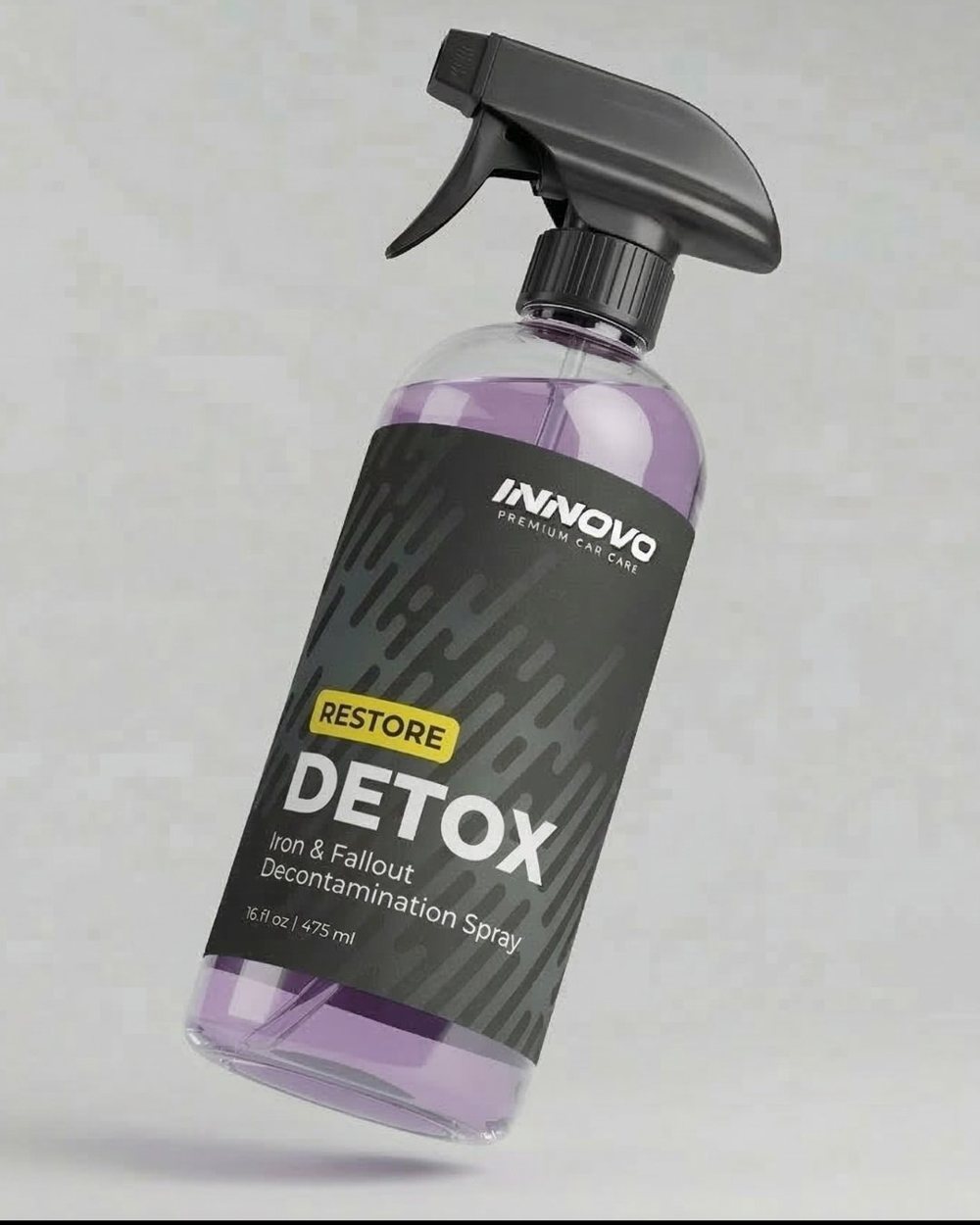
Wheel cleaner is one of the most visual products in car care. Customers spray it, watch brake dust melt off, and film the result. That makes it one of the best-performing products in any range, and one of the fastest ways for a weak formula to get exposed. If you're planning a private label wheel cleaner, here's what separates a best seller from a returns problem.
Key takeaways
- Wheel safety on every finish matters more than raw strength.
- Decide your product type: everyday wheel cleaner, iron-reactive cleaner, or heavy-duty professional cleaner.
- Cling, dwell time and rinse make the difference in real-world results.
- Test on real wheels with real brake dust, not lab panels.
What customers expect from a wheel cleaner
- Fast results: brake dust and road grime loosen quickly with minimal scrubbing.
- Safety: no staining or etching on painted, powder-coated, chrome, polished, anodized or coated wheels.
- Cling: the product stays on vertical surfaces long enough to work.
- Clean rinse: no residue, spotting or film.
- Feedback: many enthusiasts love a visible reaction, such as a color change on iron contamination.
- Tolerable scent: some reactive cleaners smell strong; customers notice.
The three main types of wheel cleaner
Everyday pH-balanced wheel cleaners
Designed for routine washes and safe on virtually every finish, including ceramic-coated wheels. These are the core product for most enthusiast brands and the safest choice for a first launch.
Iron-reactive wheel and fallout cleaners
These target embedded iron particles from brake dust and change color as they react. They're highly visual and popular on social media. They work best as a periodic deep clean rather than every wash, and need clear instructions about dwell time and rinsing.
Heavy-duty professional cleaners
Stronger products used by detailers and dealerships for neglected wheels. These require careful labeling, clear dilution guidance and finish-specific warnings. Many consumer brands avoid this category or offer it only in professional sizes.
Key decisions for your formula
- Strength vs. safety: where your product sits on that spectrum determines who it's for.
- Ready-to-use or concentrate: concentrates serve professionals and reduce shipping weight.
- Viscosity and cling: thicker formulas stay on spokes and barrels.
- Foam: foaming triggers help cling and show coverage.
- Color and scent: both affect perceived performance.
Packaging for wheel cleaners
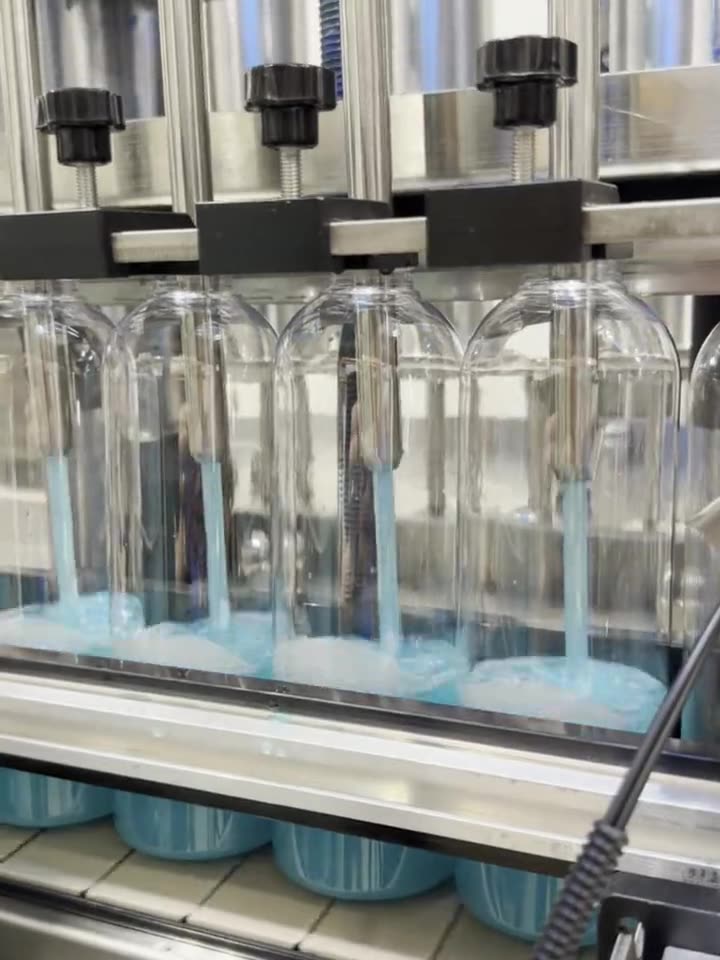
Wheel cleaners need chemical-resistant bottles and triggers. A foaming or adjustable trigger improves coverage. Gallon refills are popular with detailers. Labels should clearly state which finishes the product is safe on and how long to let it dwell.
Testing that actually matters
Brake dust varies enormously by vehicle, brake type and driving style. Test samples on several vehicles, on different wheel finishes, in warm and cool conditions, and after different intervals since the last wash. Compare against the market leader side by side on the same wheel. Our guide to reverse engineering explains how.
Build a wheel and tire system
A wheel cleaner sells best alongside a tire cleaner, a tire dressing and a wheel coating that makes future cleaning easier. See our guide to private label tire shine.
Compliance notes
Stronger wheel cleaners may require specific hazard communication, and some states regulate VOC content in automotive cleaners. Your manufacturer should provide an accurate safety data sheet and guide your labeling.
How private label works for your wheel cleaner
- Brief: tell us who the product is for, how it will be used, and what it must do better than what's on the market now.
- Samples: we prepare bench samples based on proven chemistry, or develop a custom formula.
- Real-world testing: you test samples in the conditions your customers face, and we refine until you approve.
- Packaging: choose bottles, closures and sizes; we fill, cap and label your product.
- Production: your approved formula is blended, batch-checked and filled under one roof.
- Reorders: consistent batches and predictable lead times as your wheel cleaner grows.
Questions to ask before you launch your wheel cleaner
- Who is the customer, and what problem does this product solve better than competitors?
- What claims will you make, and how will you prove them?
- Which sizes and formats do your channels need, retail, professional or bulk?
- What labeling and compliance requirements apply where you'll sell?
- Which companion products complete the system and raise order value?
Frequently asked questions
Is a pH-neutral wheel cleaner strong enough?
For routine maintenance, a well-formulated pH-balanced wheel cleaner is usually all most customers need, and it's safe on coated wheels.
Why does iron remover turn purple?
Iron-reactive cleaners change color as they react with embedded iron particles, giving customers visible confirmation the product is working.
Should I offer a professional-strength version?
If you sell to detailers or dealerships, a professional concentrate can be valuable. Keep labeling and dilution guidance clear.