

November 21, 2026 · Wheels & tires
Private Label Tire Shine and Tire Dressing: Finishes, Durability and Sling

Tire dressing is the finishing touch customers notice immediately. Dark, even tires make a clean car look detailed, and a bad dressing (blotchy, greasy or slinging onto paint) undoes the whole wash. That makes tire shine a high-volume product with high expectations.
Key takeaways
- Customers want different finishes, from satin to high gloss.
- Sling resistance and durability are the biggest performance complaints.
- Water-based dressings tend to look cleaner and more natural; higher-gloss dressings deliver more shine.
- Pair dressings with a tire cleaner for even, long-lasting results.
Finish: satin to wet look
Tire dressing preferences vary widely. Many enthusiasts and professionals prefer a clean, satin, like-new finish, while others want a deep wet shine. Brands often offer two finishes, or a dressing that can be layered: one coat for satin, two for gloss. Decide which finish defines your brand.
Sling: the number one complaint
Sling happens when dressing flings off the tire onto paint as the car drives. It's the most common complaint about tire products. Formulation, application instructions and dry time all play a role. Test sling by driving after application, at speed and in wet conditions, and include clear instructions to apply thin and wipe excess.
Durability
Customers want dressings that last through rain and several days of driving. Durability depends on the formula and how well the tire was cleaned first. Old dressing and browning reduce how well a new dressing bonds.
Water-based vs. higher-gloss dressings
Water-based dressings tend to give a cleaner, more natural look, dry faster and are less likely to attract dust. Higher-gloss dressings deliver more shine and often more water resistance. Think about your customers, and about where you sell, since some states regulate VOC content in automotive products.
Application format
- Spray: fast, popular with detailers and car washes.
- Gel or cream: applied with a foam applicator for precise, even coverage.
- Concentrate: diluted for different finishes, popular with professionals.
Build the system
Pair your dressing with a tire cleaner that removes browning and old dressing, a wheel cleaner, and a foam applicator. Customers get better results, and you get a bigger basket.
How private label works for your tire dressing
- Brief: tell us who the product is for, how it will be used, and what it must do better than what's on the market now.
- Samples: we prepare bench samples based on proven chemistry, or develop a custom formula.
- Real-world testing: you test samples in the conditions your customers face, and we refine until you approve.
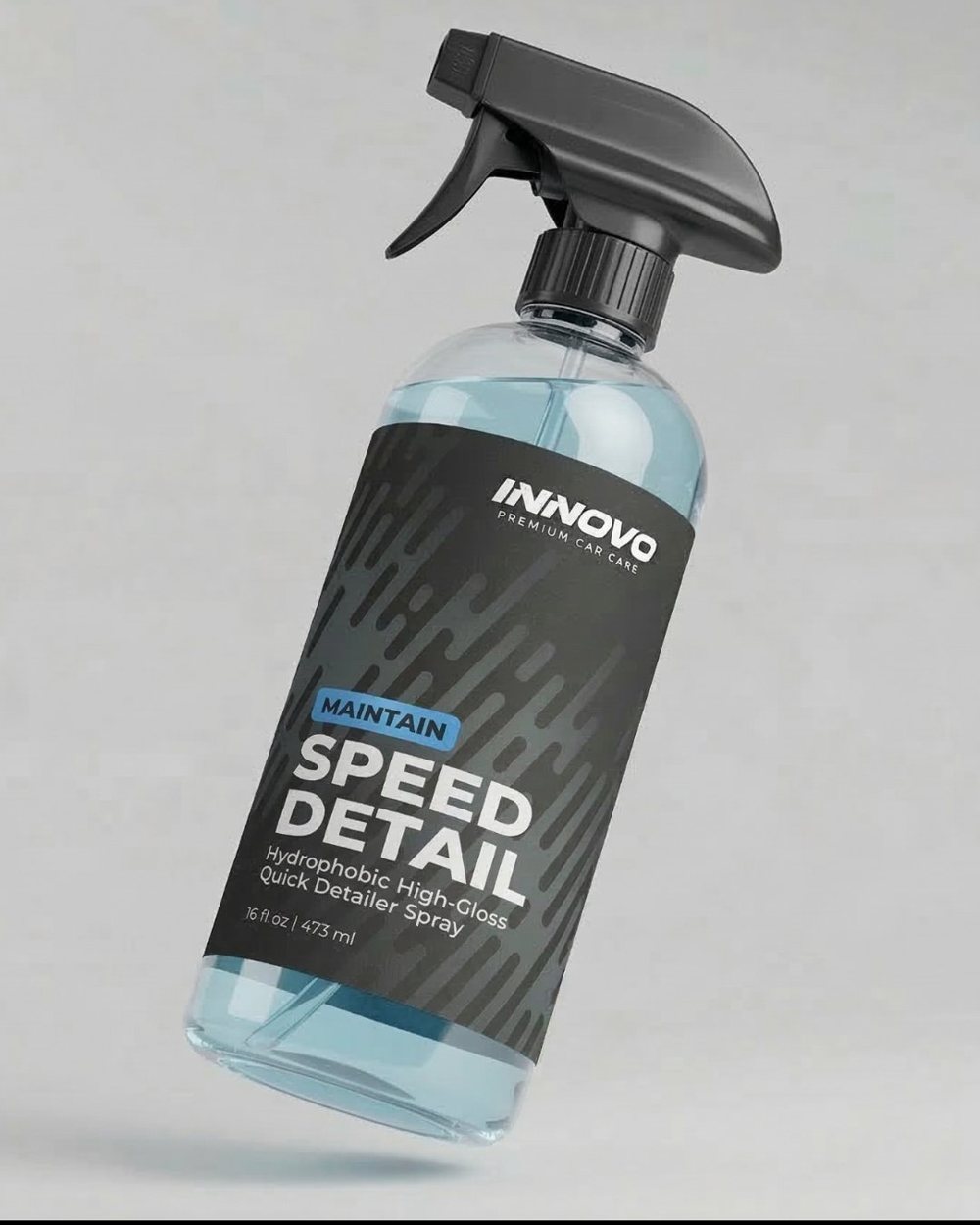
- Packaging: choose bottles, closures and sizes; we fill, cap and label your product.
- Production: your approved formula is blended, batch-checked and filled under one roof.
- Reorders: consistent batches and predictable lead times as your tire dressing grows.
Questions to ask before you launch your tire dressing
- Who is the customer, and what problem does this product solve better than competitors?
- What claims will you make, and how will you prove them?
- Which sizes and formats do your channels need, retail, professional or bulk?
- What labeling and compliance requirements apply where you'll sell?
- Which companion products complete the system and raise order value?
Frequently asked questions
How do I reduce sling?
Apply thin layers, wipe excess with a towel, and allow dry time before driving. A good formula also matters.
Why does my tire turn brown?
Browning comes from compounds in the tire rubber migrating to the surface. A dedicated tire cleaner removes it before dressing.
Should I offer more than one finish?
Many brands do, because customer preferences vary so much.